Crafting Pens from Historic Wood: A Journey into Timeless Artistry
- johnmarchant67
- Jan 12
- 4 min read
Creating pens from historic wood is more than a craft; it is a way to preserve stories, honor heritage, and transform the past into something functional and beautiful. Each piece of wood carries a unique history, and shaping it into a pen allows that history to live on in the hands of those who use it. This post explores why artisans choose historic wood for pen making, the significance behind this choice, and how it connects us to time and tradition.
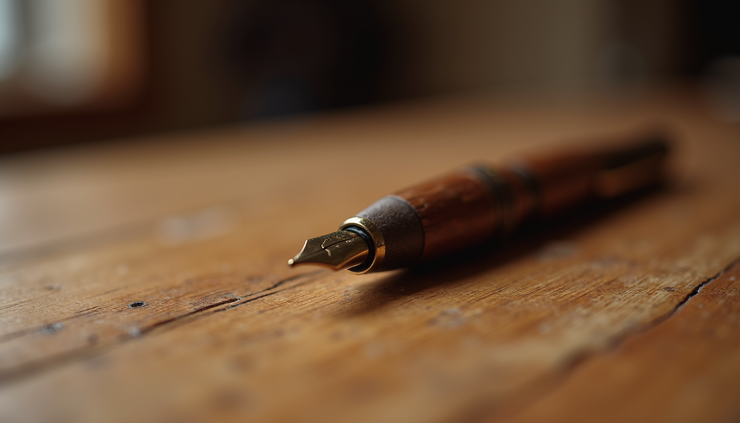
The Meaning Behind Historic Wood
Historic wood comes from trees or wooden objects that have witnessed significant moments or periods. This could be wood salvaged from old buildings, barns, ships, aircraft, or even furniture that has been part of family histories. Using this wood in pen making adds layers of meaning:
Connection to the past: Each pen carries a story embedded in its grain, linking the user to a specific time or place.
Sustainability: Repurposing wood that would otherwise be discarded reduces waste and honors the material’s original life.
Unique character: Historic wood often shows signs of age like weathering, knots, and color variations that make every pen one of a kind.
For example, a pen made from wood salvaged from a 19th-century barn not only writes smoothly but also carries the spirit of rural life from that era. This connection makes the pen more than a tool; it becomes a conversation piece and a keepsake.
The Craftsmanship Involved
Turning historic wood into a pen requires skill and patience. The wood must be carefully prepared to preserve its character while ensuring it is durable and functional. The process typically includes:
Selecting the wood: Not all historic wood is suitable. The artisan looks for pieces with stable grain and minimal damage.
Drying and stabilizing: Old wood can be brittle or warped. It often undergoes drying and treatment to prevent cracking.
Shaping and sanding: The wood is turned on a lathe to form the pen’s body, then sanded to a smooth finish.
Finishing: A protective finish enhances the wood’s natural beauty and protects it from wear.
This process respects the wood’s history while adapting it for modern use. The result is a pen that feels solid and comfortable, with a surface that invites touch and admiration.
Why Choose Historic Wood Over New Wood?
New wood is plentiful and easier to work with, so why do artisans prefer historic wood for pens?
Storytelling: Historic wood carries stories that new wood cannot replicate. This adds emotional value.
Aesthetic appeal: The patina and imperfections in historic wood create a look that is impossible to manufacture.
Environmental impact: Using reclaimed wood reduces the demand for new lumber and helps conserve forests.
For instance, a pen made from wood reclaimed from a shipwreck tells a story of adventure and endurance. This narrative enriches the writing experience, making it more personal and meaningful.
Examples of Historic Wood Sources
Several types of historic wood are popular among pen makers:
Aircraft: Often of significant historical value from propellers to parts of an aircraft structure.
Ship timber: Wood from old ships carries maritime history and often has unique grain patterns.
Film sets and locations: When looking for a gift for that special someone, a pen connected to their favourite film or musical can be very well received.
Furniture wood: Pieces from antique furniture bring elegance and a sense of heritage.
Musical instruments: Wood from old pianos or violins can add a musical legacy to the pen.
Each source offers different qualities and stories, allowing artisans to create pens that appeal to diverse tastes and interests.
Caring for Pens Made from Historic Wood
Because these pens are crafted from aged materials, they require some care to maintain their beauty and function:
Avoid prolonged exposure to moisture: Water can damage the wood or finish.
Store in a dry place: Humidity can cause swelling or warping.
Clean gently: Use a soft cloth to remove dirt or oils.
Proper care ensures that the pen remains a treasured item for years, continuing to tell its story with every use.
The Emotional Value of Writing with Historic Wood Pens
Writing with a pen made from historic wood can feel different from using a mass-produced pen. The tactile sensation of the wood, the weight, and the knowledge of its origin create a deeper connection. Many users report that these pens inspire creativity and mindfulness, turning everyday writing into a meaningful ritual.
For example, a writer using a pen made from wood salvaged from a historic library might feel a sense of inspiration drawn from the countless stories that passed through that space. This emotional connection enriches the writing process and makes the pen a cherished companion.
Supporting Artisans and Preserving History
When you choose a pen made from historic wood, you support artisans who dedicate time and skill to preserving history through their craft. These makers often source wood responsibly, research its background, and share the stories behind each piece. This practice helps keep history alive in a tangible form and promotes sustainable craftsmanship.
Buying such a pen is not just a purchase; it is an investment in heritage and artistry. It encourages the continuation of traditional skills and respect for materials that have stood the test of time.



Comments